
Amanda
1992 — 2019

March 30
700 days
I met her just after midnight, in the elevator of my building. Before she left, she placed a business card on my windowsill. She called it an accident. We both knew it wasn't.
For over 700 days, we shared a life that wasn't perfect — but it was real, and it was ours. Amanda carried a quiet pain that ran deeper than most people knew. She was one of the most health-conscious people I'd ever met, which is part of what made it so hard to understand. She was trying. She was always trying. Until one day, she just didn't have anything left to try with.
October 18, 2019
She knew I would come.
On October 18, 2019, Amanda left this world.
I was the one who found her — and somehow, in the depth of that, I understood that she knew I would. She knew I would come. And she knew I would take care of Kitty.
That awful, rainy morning, I scooped Kitty up. She left my arm dripping in blood from scratches. Kitty was her cat — named after the nameless cat in Breakfast at Tiffany's, her favorite movie. That was Amanda. Romantic and specific in the same breath. Kitty was traumatized. So was I. That was almost seven years ago. Kitty is still with me. She's one of the ways I get to honor Amanda's memory every day.
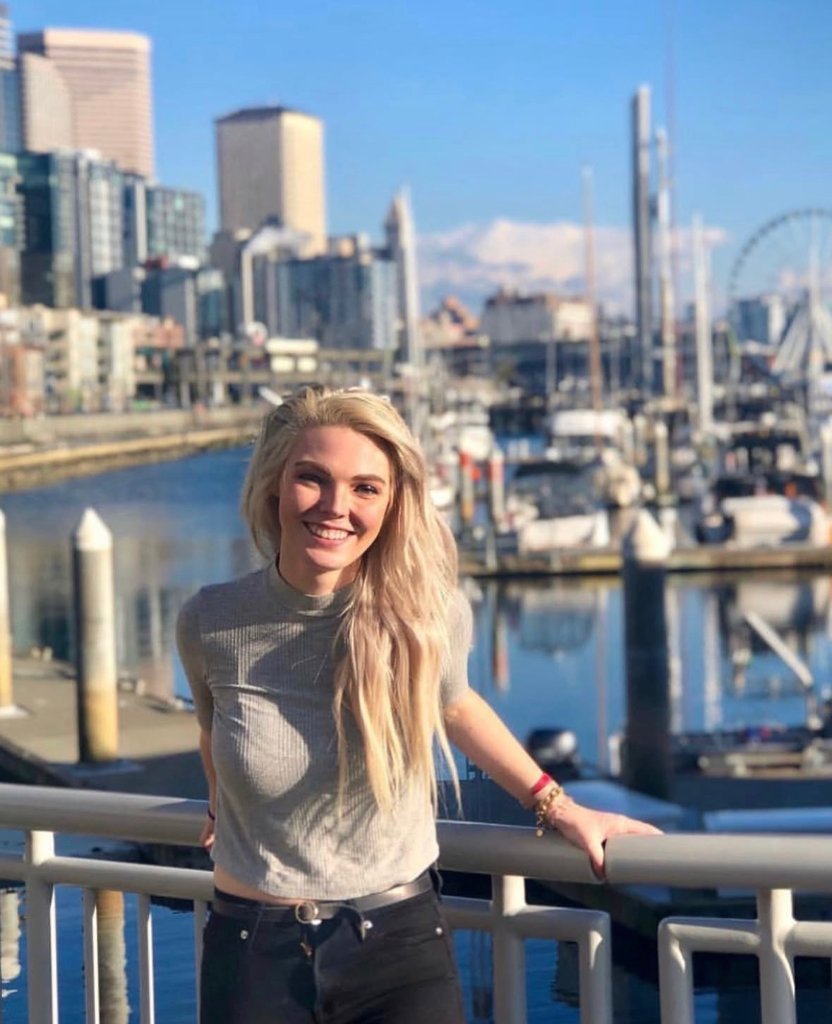
And that moment
"The weight of it, the physical pain of it, the way grief doesn't just break your heart but burns through your whole body — you don't survive this by going around it, the only way out is through."

November 2019 · Denver
Something lit a match.
A month after she died, I drove to Denver. I'd heard about Ayahuasca — about how it could help people process unbearable pain. I sat in a hotel room for four days instead. On the third day, an older woman sat down next to me and told me I looked sad. She invited me to her table. A man there was pitching a supplement startup to the women beside him. I didn't love his idea. But something in that moment lit a match.
I remembered that before Amanda died, she'd been taking supplements I'd put together — L-Theanine and L-Taurine in capsule form. Basic, but intentional. She'd preferred them over the prescription I'd offered her. The benzos made her feel like a zombie, she said. Made her miss details at work. With the two amino acids, she could think. She could function. She could breathe.
The formula begins
I bought a scale and started over.
So I went home and I started researching. PubMed studies. Medical journals. I built a list of candidate ingredients. I started a journal. I bought a scale and sourced raw ingredients in powder form — measuring, testing, adjusting. I added ashwagandha, magnesium, lemon balm, Vitamin D3, valerian root, rhodiola rosea — tracking every combination, every effect, looking for the formula that felt like what she deserved to have had.
The day I knew I had it — I was sitting at my desk in the middle of the afternoon and I felt this wave of calm move through me. Deep, clean, real. Not sedated. Not foggy. Just... still. The way you feel when something is finally okay.
I looked down at the powder on the scale in front of me and thought about her. I wanted people to know she existed. I wanted people to know she mattered. And somewhere in that grief, I found something I didn't expect — that tragedy, if you let it, can become something beautiful. That's not easy to see when you're in the middle of it. I couldn't see it either at the time. But it was there.
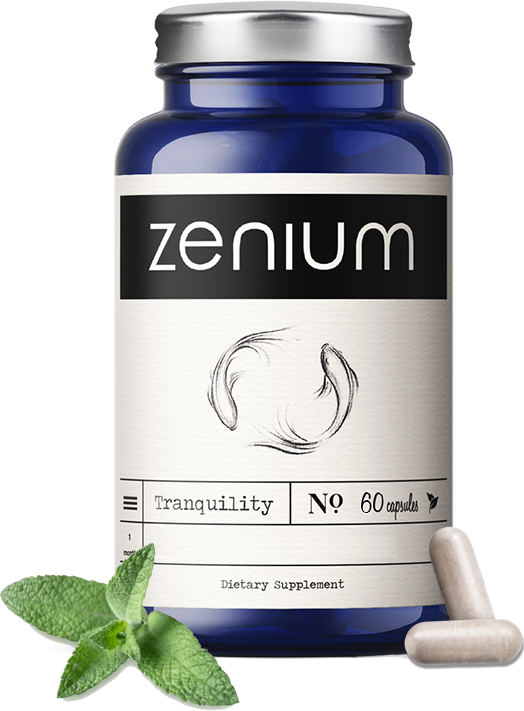
"This is who she was."
Zenium isn't a supplement company. It's what grief looks like when you refuse to let it be the end of the story. It's the belief that our deepest losses can become our greatest gifts — if we're brave enough to do something with the pain instead of just carrying it.
Amanda didn't get the version of this that she deserved. But someone who is struggling right now, someone who is white-knuckling through their days, someone who just needs enough calm to think clearly and keep going — they can.
That's why Zenium exists. That's why it will always exist.
— Cole, Founder of Zenium
Shop TranquilityIf you or someone you love is struggling, you are not alone. Suicide & Crisis Lifeline: call or text 988.
"I've called it before. They pick up."
— Cole